Facebook Ads for Clothing Stores: A Beginner's Guide for Local Boutiques
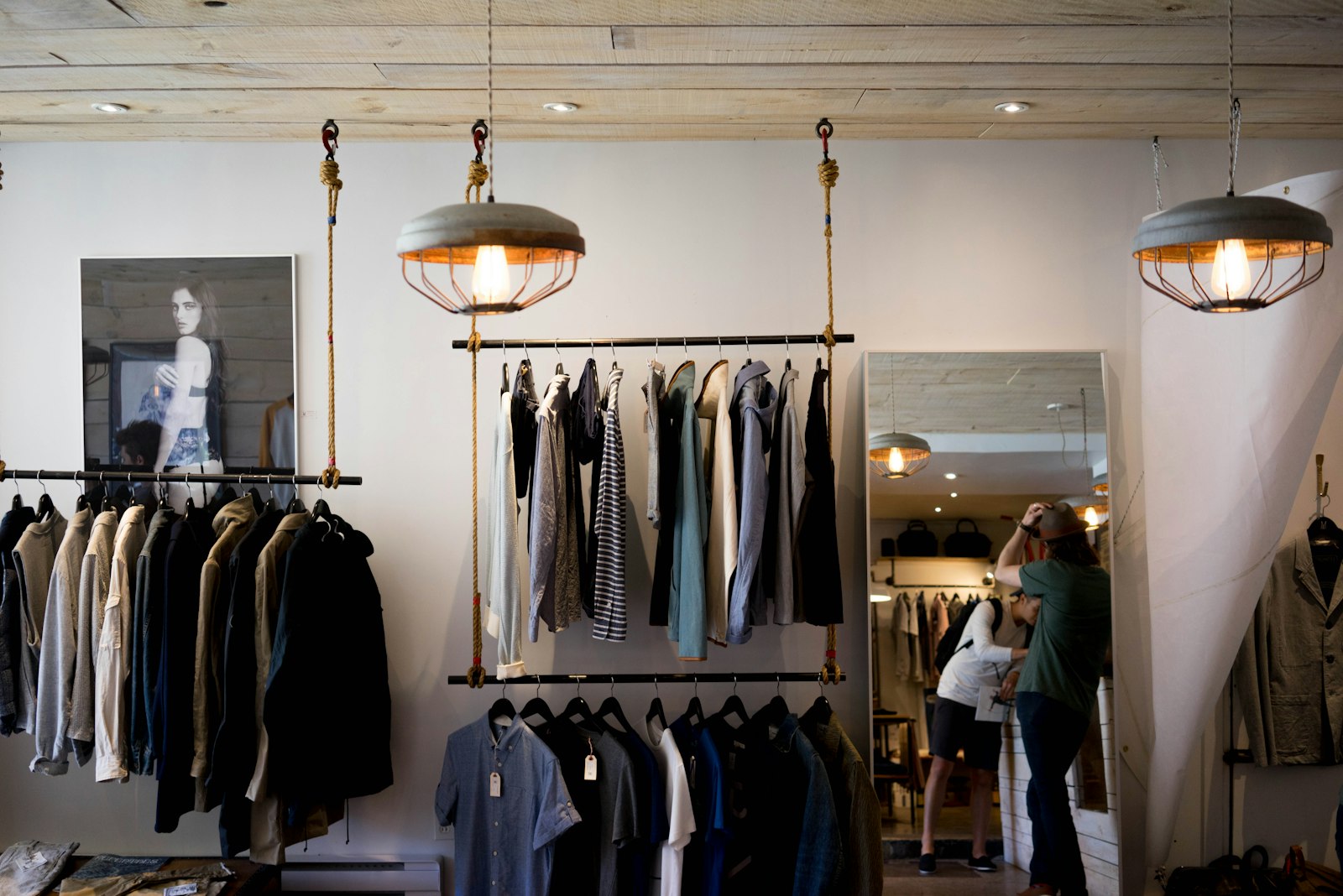
Before: It's Thursday night. You just unpacked a gorgeous new arrival of fall jackets. You snap a quick photo, post it, hit "Boost," pick whatever the app suggests, and go to bed hoping. A week later you've spent money, gotten a handful of likes from people three states away, and not one person walked in asking about the jackets.
After: Same jackets, same shop. But this time the ad only shows to people who live or spend time within a few miles of your store. It has a clear photo, a short message, and one simple next step: "Stop by this weekend." You know what you spent, who saw it, and how many people clicked for directions.
The difference isn't a bigger budget. It's a plan. This guide walks you through Facebook ads for clothing stores in plain English, so your next ad works more like the "after."
Why paid ads still matter for a local clothing store
Your customers are already scrolling. According to Pew Research Center's 2025 survey, 71% of U.S. adults say they use Facebook and half say they use Instagram (Engadget's coverage of the same survey reports the same numbers). Both platforms run on the same Meta ad system, so one campaign can reach people in both places.
And here's the good news for brick-and-mortar shops: most shopping still isn't online. The U.S. Census Bureau estimates that e-commerce made up 17.1% of total U.S. retail sales in the second quarter of 2026 (PYMNTS reported the same figure). In other words, the large majority of retail dollars are still spent off-line. People see something online, then go try it on in person.
That's exactly where local advertising shines. Organic posts reach some of your followers. Paid ads for small business let you reach new people nearby who have never heard of you.
Boosting vs. a real campaign: what's the difference?
The "Boost" button is the fastest way to spend money on Facebook. It's not always the smartest.
- Boosting takes a post you already made and pushes it to more people, with only a few simple settings.
- A campaign in Meta Ads Manager lets you pick a clear goal (store visits, website clicks, messages), choose exactly where your ads show, test more than one photo, and see clearer results.
Boosting isn't bad. It's fine for a quick event or sale. But if you want ads that bring people through the door, a simple planned campaign gives you much more control.
How to run Facebook ads for clothing stores: a step-by-step plan
You don't need to be a marketer to do this. Set aside one afternoon and follow these steps.
Step 1: Pick one goal
Every ad should have one job. For a local boutique, the best goals are usually:
- Get people into the store (for example, a weekend sale or new arrivals)
- Get messages from people asking about sizes or stock
- Get clicks to your website or online shop, if you have one
Don't try to do all three in one ad. One goal keeps your message clear and your results easy to read.
Step 2: Draw your circle
This is the most important setting for a local shop. Both Meta and Google let you choose where your ads appear, including a radius around an address (Google Ads Help). Start with the area your real customers come from, often a few miles around your store, and adjust from there.
One thing to know: Meta's location setting includes people who live in an area or were recently there, so a few clicks may come from visitors or people passing through (Jon Loomer Digital explains why). That's normal. Just don't make your circle so big that most of your budget goes to people who will never visit.
Step 3: Use real photos of real clothes
You don't need a fancy photo shoot. Your phone is enough if you follow a few rules:
- Shoot in natural light, near a window
- Show the item on a person or a mannequin, not flat on the counter
- Make the photo vertical (it fills more of the screen on phones)
- Try two or three different photos so you can see which one people like
Step 4: Write a short, local message
Keep it to one or two sentences. Mention something that makes you feel local and real:
- "New fall jackets just landed in our San Leandro shop. Come try one on this weekend."
- "Sizes XS to 3X now in stock. Message us to hold your size."
Avoid stuffing in every discount and hashtag. One idea, one next step.
Step 5: Set a small, steady budget
Start small and keep it steady. A modest daily budget that runs for one to two weeks will teach you far more than one big burst. Meta's system needs a few days to learn who responds to your ad, so try not to change everything on day two.
Pick an amount you'd be comfortable spending as a "test," then decide after the test whether to keep going.
Step 6: Check your results (the simple way)
After a week, look at just a few numbers in Ads Manager:
- Reach: how many different people saw your ad
- Clicks or messages: how many people took action
- Cost per result: what you paid for each click, message or visit
Then ask your staff a simple question: "Has anyone mentioned seeing us on Facebook or Instagram?" Real conversations in the store are part of your results too.
Step 7: Follow up with the people who show interest
An ad gets attention. Follow-up turns it into sales. If people message you, reply fast. If they visit, invite them to join your text or email list so you can reach them again for free. Our guide on SMS marketing for clothing stores shows how to keep those shoppers coming back.
Should you also try Google Ads?
Facebook and Instagram ads are great for showing off your clothes to people who weren't searching yet. Google Ads work differently: they show up when someone is already searching, like "women's boutique near me" or "dress shop San Leandro."
For most small clothing stores, start with one platform and learn it well. Many boutiques start with Instagram ads for boutiques because fashion is so visual. If your shop gets a lot of "near me" searches, Google may be worth testing next. And make sure your Google Business Profile is complete, since that's often where searchers land first.
Common mistakes to avoid
- Targeting the whole state. Keep your circle tight around where your customers really live and shop.
- Sending clicks to a slow or confusing website. If your ad links to your site, make sure it loads fast and clearly shows your address and hours. Here's what shoppers check first on a small business website.
- Changing the ad every day. Give it time to learn before you judge it.
- Running the same photo for months. People get tired of seeing the same ad. Refresh your photos often.
- Forgetting to answer messages. A slow reply can lose a sale the ad already earned.
Ready to make your ads work harder?
Paid ads don't have to feel like throwing money into the wind. With one clear goal, a tight local circle, real photos and a simple follow-up plan, your clothing store can reach the shoppers right around the corner.
If you'd like help setting up Facebook and Instagram ads that bring real people into your boutique, Helmio Digital is here to guide you. Reach out through our contact form and tell us a little about your store. We'll get back to you with ideas that fit your shop and your budget.
Frequently asked questions
How much should a small clothing store spend on Facebook ads?
There's no single right number. Start with a small daily amount you're comfortable treating as a test, run it for one to two weeks, and then look at your cost per result. Grow the budget only when you see ads bringing real messages, clicks or visits.
Are Instagram ads different from Facebook ads?
They're created in the same place, Meta Ads Manager, and one campaign can run on both. Instagram tends to suit very visual products like fashion, but it's worth letting your ad run on both and seeing where your results come from.
Do I need a website to run Facebook ads?
No. You can run ads that drive messages, calls or store visits without a website. A good website helps, though, because many shoppers like to check your hours, location and styles before they visit.
Sources
- Pew Research Center, Americans' Social Media Use 2025
- Engadget, The most popular social media platform among US adults isn't Instagram or TikTok
- U.S. Census Bureau, Quarterly Retail E-Commerce Sales
- PYMNTS, eCommerce Takes 17.1% of Retail Sales as Online Growth Accelerates
- Google Ads Help, Target ads to geographic locations
- Jon Loomer Digital, 4 Reasons Meta Ads Reach People Outside of the Targeted Location