Restaurant Marketing Automation: 5 Myths Holding Owners Back
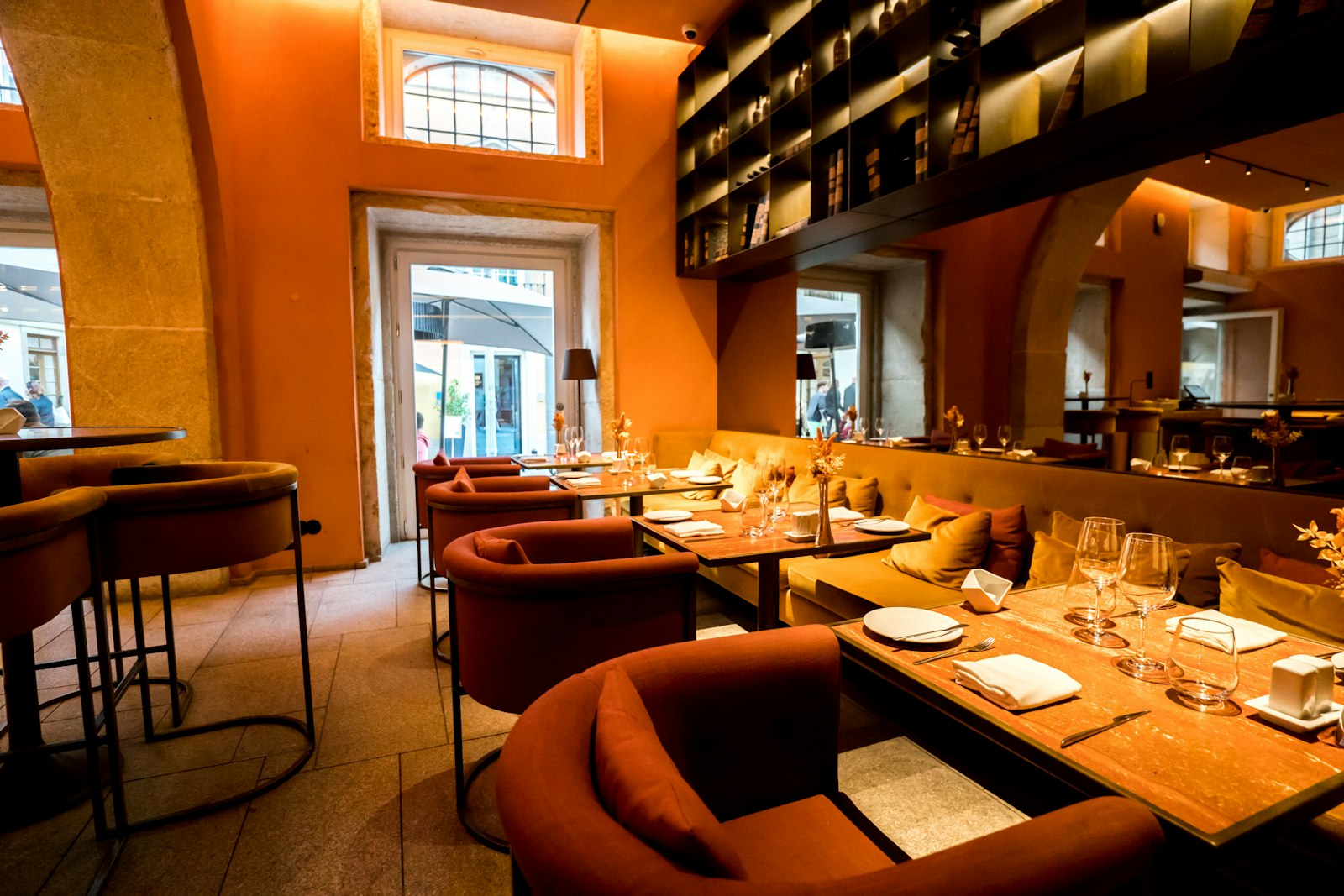
"Automation? That's for the big chains. We're a neighborhood restaurant."
If you've ever said something like that, you're not alone. Many independent owners picture restaurant marketing automation as expensive software, robotic messages and a week of setup they don't have time for. So they keep doing everything by hand: answering the same catering questions, forgetting to ask happy guests for reviews, and meaning to send that "we miss you" email someday.
Here's the thing. Most of those beliefs are myths. And the cost of holding onto them is real, because your time is the scarcest ingredient in the building.
Let's bust five of the most common myths, then walk through five simple automations you can set up in an afternoon.
Why restaurant owners can't afford to do everything by hand
Running a restaurant has never been easy, and 2026 is no exception. In its 2026 State of the Restaurant Industry report, the National Restaurant Association says more than 9 in 10 operators name costs like food and labor as significant challenges. Fast Casual's coverage of the report highlights the same pressure.
When labor is that expensive, every hour you or your team spend copying phone numbers, typing the same reply or chasing reviews is an hour not spent on food and guests. Automation doesn't fix rising costs. But it can take repetitive marketing tasks off your plate so your people can focus on hospitality.
Myth 1: "Automation is only for big chains"
This was true ten years ago, when automation meant custom software and a marketing department. Today, the same tools that chains use are available to a single-location cafe or family restaurant, often inside one platform that handles texts, emails, reviews and your contact list together.
In fact, small restaurants arguably benefit more. A chain has staff to follow up with every catering lead. You might have one manager who is also running the floor. Automation gives a small team the follow-up power of a much bigger one.
Myth 2: "Automated messages sound robotic and guests hate them"
Guests don't hate automation. They hate lazy messages.
BrightLocal's Local Consumer Review Survey 2026 found that 80% of consumers are more likely to use a business that replies to all of its reviews, while generic or templated replies put off half of them. PinMeTo's summary of the survey reports the same two findings.
That's the lesson: use automation to make sure nothing gets missed, and write your messages the way you'd talk to a regular. Use the guest's first name. Mention your restaurant by name. Sign off with a real person, like "– Maria and the kitchen team." For review replies, let automation alert you and draft a starting point, then add a personal line before you post.
Myth 3: "I don't have time to set it up"
Setting up a review request takes less time than a single Friday-night rush. You write the message once, choose when it goes out, and it runs every day after that without you.
Compare that to doing it by hand: remembering to ask, finding the guest's number, typing the message, and repeating it hundreds of times a year. The setup is a one-time job. The time savings repeat every week.
Start with one automation, not ten. Get it working, then add the next.
Myth 4: "My customers don't want texts or emails from a restaurant"
Customers don't want spam. Plenty of them do want to hear about your new seasonal menu, a holiday catering deadline or a birthday treat, as long as they asked to hear from you.
The key is permission. Always get clear consent before you text or email someone for marketing, make it easy to opt out, and don't over-send. A sign-up form on your website, a QR code on the table or a checkbox on your online ordering page are simple ways to build a list of people who actually want your messages. If you want ideas on what to send, our guide to SMS marketing for clothing stores covers the same basics, and they work just as well for restaurants.
Myth 5: "Automation will replace the personal touch that makes us special"
Good automation does the opposite. It handles the boring, repetitive parts so your team has more time for the human parts.
A machine can send the "thanks for visiting" text. It can't remember that table six always orders the off-menu dessert. Let software handle the reminders, and let your staff handle the warmth.
5 restaurant marketing automations to set up first
Here's a practical, step-by-step starting list. You don't need all five on day one. Pick the one that solves your biggest headache and go from there.
Step 1: Automatic review requests after a visit
Send a short, friendly text or email a few hours after a guest dines or picks up an order, with a direct link to your Google review page. Keep it to two sentences and make it personal. For tips on handling the reviews that come in, read Google Reviews for Restaurants: 5 Myths That Cost You Diners.
Step 2: Missed-call text back
During a rush, phones go unanswered. A missed-call text back automatically texts the caller within seconds: "Sorry we missed you! Want to book a table or place an order? Reply here." It turns a lost call into a conversation. We explain how it works in our post on missed call text back (written for salons, but the setup is identical for restaurants).
Step 3: Instant replies to catering and private event inquiries
Catering and private dining leads are often your highest-value orders, and they usually go to whoever answers first. Set up an automatic reply that thanks the person, shares your catering menu or event packages, and tells them when a real person will follow up. Then make sure someone does.
Step 4: Birthday and "we miss you" emails
Collect birthdays when guests join your list, then send an automatic birthday offer each year. Add a gentle "we miss you" message to guests who haven't visited in a few months. These are simple, set-once messages that remind people you exist. Our guide to email marketing for event venues covers common email mistakes to avoid.
Step 5: New-review alerts so you can reply fast
Have every new review sent straight to your phone or inbox, so you can reply while the visit is still fresh. Thank happy guests by name, and respond calmly and helpfully to unhappy ones. Remember the BrightLocal finding above: replying matters, and so does sounding human.
How to keep automation feeling personal
- Write like you talk. Read every message out loud. If it sounds like a corporate memo, rewrite it.
- Use real names. Sign messages from a person, not "Management."
- Send less, not more. One helpful message beats three forgettable ones.
- Review your messages every few months. Update seasonal details, hours and menu items.
- Always give people an easy way out. An opt-out link or "reply STOP" keeps trust high.
Ready to put your restaurant marketing on autopilot?
You didn't open a restaurant to spend your evenings typing the same reply over and over. At Helmio Digital, we help local restaurants, cafes and food businesses across the Bay Area set up simple automations, from review requests and missed-call text back to email and SMS campaigns, so you can get back to doing what you do best.
Contact Helmio Digital through our contact form and tell us which task you'd most like to take off your plate. We'll help you figure out where to start.
Frequently asked questions
What is restaurant marketing automation?
It's using software to send marketing messages and handle follow-up tasks automatically, based on rules you set. Examples include texting a guest a review link after their visit, replying to a missed call with a text, or sending a birthday email each year.
Is marketing automation expensive for a small restaurant?
It doesn't have to be. Many all-in-one platforms bundle texting, email, review requests and a contact list together, so you aren't paying for several separate tools. Start with one or two automations that solve a clear problem, then expand once you see the time savings.
Will automated messages annoy my customers?
Not if they asked to hear from you and the messages are useful and personal. Get permission first, keep messages short, make opting out easy, and avoid sending too often.